Category : Diplomats/officials of resident MIOs and their direct dependents. Including individuals who are visiting Bhutan for official work of the MIOs.
- Visa Type : Non-Tourist
- The Department of Immigration may ask for additional documents during the assessment process if deemed necessary
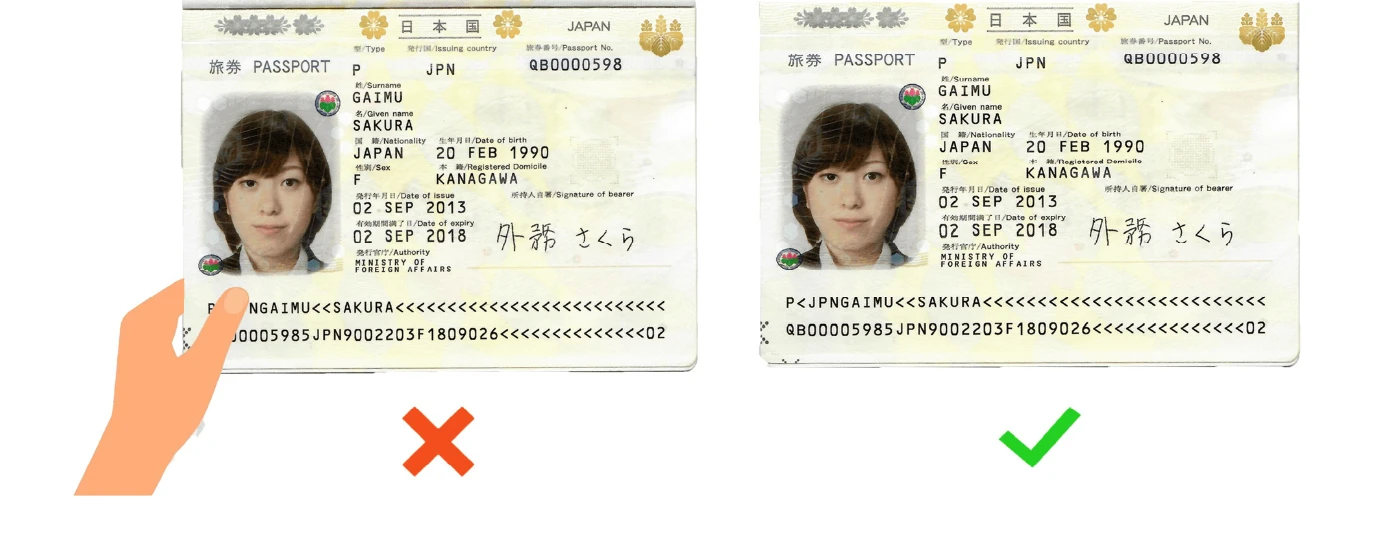
Identity Document (Digital Copy Required)
- Passport
- Voter ID (For Nationals of India without passport)
- Must have a minimum validity of 6 months from your travel date to Bhutan
- Nationals of India below 18 years of age without having a passport must have a Birth Certificate. If birth certificate is submitted, it should be in English
- Make sure the information page is clear and readable
- File format must be JPEG or PNG
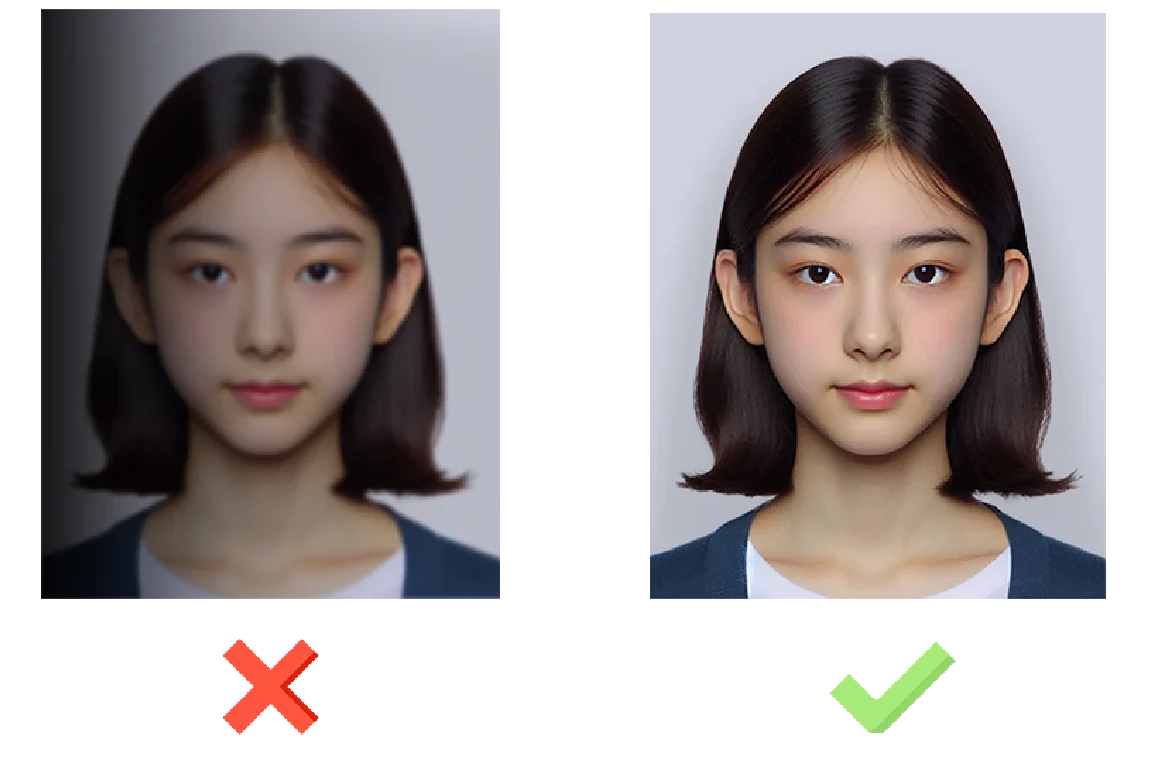
Passport-Size Photograph
- Taken within the last 6 months
- Color photo, portrait style, with eyes open
- Forehead and ears must be clearly visible
- Photo must have a plain white background (no borders)
Visa Fee and SDF For Non-Tourist
Category | India | Bangladesh | Maldives | Other Countries |
|---|---|---|---|---|
Diplomatic/Official | FREE | FREE | FREE | (Depends on status) |
Employment Visa | Nu. 500 | Nu. 500 | Nu. 500 | Nu. 500 (standard regional employment fee) |
Student Visa | Nu. 500 | Nu. 500 | Nu. 500 | Nu. 500 |
Business/FDI | Nu. 500 | Nu. 500 | Nu. 500 | Nu. 500 |
Dependent Visa | Nu. 500 | Nu. 500 | Nu. 500 | Nu. 500 |
General Information:
- The agency responsible for vetting and approving the application must ensure that the foreigners qualify under the non-tourist category. Accountability shall rest on the Head of the agencies.
- Route Permit shall be mandatory for non-tourist categories. Agencies must ensure that foreigners process for Route Permit for movement within the country.
- In the event of misuse, the penalty shall be double the SDF applicable on tourists.
- Submission of false, fabricated or misleading information is a prosecutable offence and shall be liable for prosecution by a court of law and/or any penalties/fines under the Immigration Act of the Kingdom of Bhutan and any other laws, rules and regulations as may be applicable.
DEFINITIONs:
Head of Agency: Secretary level for Ministries/Director level for Constitutional Bodies/Vice-Chancellor of RUB/Highest level bureaucrat in the agency
Direct dependents: Spouse and children below the age of 18 years
Bhutan Visa Policy
Bhutan follows a prior-approval, electronic visa system for almost all foreign visitors. This means that travelers must obtain their visa before entering Bhutan, as the country does not offer a standard visa-on-arrival option for tourists. All approved visas are issued as an e-Visa Clearance, which is sent electronically and must be presented at the airport or land border, where immigration officers verify the clearance and stamp the visa.
For tourists, the required document is an e-Visa or Entry-Permit (For Indian nationals) applied for online by submitting a valid passport, a recent photo, and basic travel details. Applicants must ensure that their passports have at least six months of validity. Once approved, the e-Visa Clearance allows travelers to board their flight and receive their visa upon arrival in Bhutan. This prior electronic approval is mandatory for all international tourists, and Bhutan does not allow entry without it. You can visit Bhutan as a tourist for a maximum of 90 days. In addition to visa fee (if applicable), a daily Sustainable Development Fee (SDF) shall be applicable.
For non-tourist visitors, such as those coming for work, business, studies, research, volunteering, media assignments, official duties, or religious activities, a prior visa is also required. Non-tourist applicants must meet the conditions listed in the Revised Non-Tourist Categories and the Immigration Act and Rules. They must apply in advance and cannot enter Bhutan without pre-approval, unless exempted under specific bilateral arrangements.
Certain nationalities receive special exemptions. Nationals of India, Bangladesh, and the Maldives do not need a prior visa to enter Bhutan for either tourist or non-tourist purposes. Additionally, holders of Diplomatic passports from Switzerland, and Diplomatic or Official passports from Thailand, are exempt from obtaining a prior visa. Indian nationals continue to enter Bhutan with a passport or voter ID and receive an entry permit instead of a visa. Although Bangladeshi and the Maldivian tourist can process their visas on arrival at the port of entry and Indian tourist can process their permits on arrival, it is recommended that these be applied in advance to reduce the wait time at the port of entry.
Overall, Bhutan’s visa policy is built on a pre-arranged, digital system that ensures controlled and secure entry into the country. Whether traveling for tourism or non-tourism purposes, most foreign nationals must apply online and receive e-Visa Clearance before traveling, making e-Visa and prior visa effectively the same process.
Regional Online Permit System (ROPS)
The Department of Immigration (DoI), Ministry of Home and Cultural Affairs, introduced the Regional Online Permit System (ROPS) to streamline and speed up permit processing for regional tourists visiting Bhutan, particularly Indian nationals, who do not require a visa but must obtain an Entry Permit.
The system was created in collaboration with licensed Bhutanese tour operators and TCB-certified hotels to allow regional visitors to pre-process their permits online before arrival. This improves travel efficiency and reduces waiting times at immigration checkpoints.
Travelers entering Bhutan through Paro International Airport or the Phuentsholing land border can use ROPS to obtain route permits and entry approval in advance. It provides regional visitors with a smoother experience similar to international tourists, ensuring that required permits are ready before arriving in Bhutan.